Embracing Simplicity: How Minimal Living Transforms Your Life Beyond Materialism
In a world increasingly defined by excess, minimal living offers a radical yet deeply human alternative—one rooted in intentionality rather than accumulation. This lifestyle isn’t about deprivation; it’s about reclaiming control over your time, energy, and resources by eliminating what doesn’t serve you.
The principles of minimal living extend far beyond physical clutter. They encompass digital simplicity, relationship quality, and even how we spend our days. By focusing on what truly matters, individuals often discover unexpected freedom and fulfillment.
The Philosophy Behind Minimal Living
Historically, minimalism gained traction through movements like Zen Buddhism, which emphasize detachment from material goods. Modern iterations blend ancient wisdom with contemporary psychology, offering tools to simplify both inner and outer worlds.
- Intentional Consumption: Buying only what aligns with personal values reduces guilt and waste. For example, choosing handmade products over mass-produced ones supports ethical labor practices.
- Mindful Ownership: Keeping fewer possessions demands deeper engagement with each item. A single piece of clothing might last years instead of being discarded after a few wears.
The Psychological Benefits of Minimal Living
Simplifying your environment directly impacts mental well-being. Studies show that clutter increases cortisol levels, the hormone linked to chronic stress. Conversely, organized spaces promote calmness and clarity.
Reduced distractions allow the brain to function more efficiently. Without visual noise competing for attention, tasks feel less overwhelming. This mental clarity fosters creativity and problem-solving abilities.
Cognitive Decluttering
Psychologists note that minimalist environments reduce cognitive load—the mental effort required to process information. When surrounded by fewer stimuli, the mind conserves energy for meaningful activities rather than managing chaos.
This principle extends to digital spaces. Limiting social media use, unsubscribing from unnecessary emails, and organizing files can significantly lower anxiety related to constant connectivity.
Financial Freedom Through Minimal Living
One of the most tangible rewards of minimal living is financial liberation. By prioritizing needs over desires, individuals avoid debt traps and build emergency funds. This approach also curbs impulsive spending habits.
Saving money becomes easier when consumption decreases. Instead of buying new gadgets annually, a minimalist might invest in high-quality, long-lasting alternatives. These choices compound over time, leading to greater financial security.
- Investment Shifts: Freed-up capital can fund education, travel, or entrepreneurship. Many minimalists report using saved money to start businesses or pursue passions they previously neglected.
- Cost Efficiency: Renting smaller homes, sharing transportation costs, and cooking meals at home drastically cut monthly expenses compared to conventional lifestyles.
Eco-Friendly Implications of Minimal Living
Adopting a minimalist mindset inherently reduces ecological footprints. Fewer purchases mean less resource extraction, manufacturing waste, and landfill contributions. This connection makes minimal living a powerful tool for sustainability.
Consumption patterns drive climate change. By opting out of fast fashion cycles or disposable electronics, minimalists indirectly support industries focused on durability and repairability rather than planned obsolescence.
Data-Driven Impact
A 2022 study found that households practicing minimalism reduced their carbon emissions by an average of 28% within six months. This decrease stemmed primarily from cutting back on nonessential consumer goods.
Additionally, donating unused items keeps them out of landfills. Organizations specializing in secondhand goods benefit immensely from this redistribution model, extending product lifecycles globally.
Designing Spaces for Minimal Living
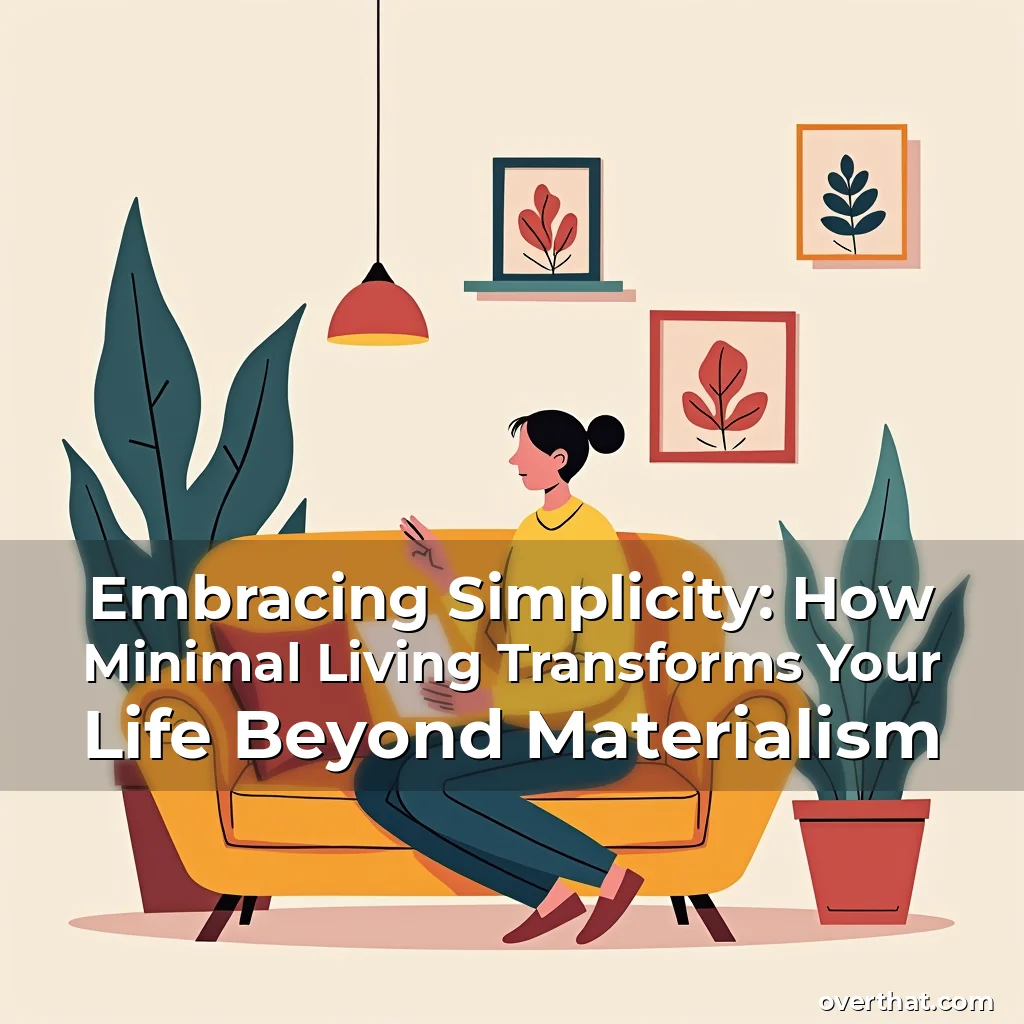
Creating a minimalist home involves strategic design choices. Neutral color palettes, natural materials, and open layouts foster tranquility. Every element should serve a purpose or evoke joy.
Furniture selection plays a crucial role. Multi-functional pieces, like sofas with hidden storage compartments, maximize utility without overcrowding rooms. Light colors reflect sunlight, making spaces appear larger and brighter.
- Storage Solutions: Vertical shelving units and drawer organizers prevent clutter buildup. Labeling containers ensures easy access to essentials during daily routines.
- Nature Integration: Indoor plants purify air while adding vitality to interiors. Natural light enhances moods and reduces reliance on artificial lighting.
Navigating Social Pressures Around Minimal Living
Society often equates success with visible achievements—luxury cars, designer clothes, lavish vacations. Minimalists may face judgment for rejecting these norms, requiring resilience and confidence in their chosen path.
Communicating motivations clearly helps manage expectations. Explaining how minimalism improves quality of life—not just appearance—can alleviate misunderstandings among friends and family members.
Bridging Cultural Differences
In some cultures, hoarding possessions signifies prosperity or preparedness. Understanding these perspectives prevents conflicts when advocating for simpler lifestyles. Respectfully discussing personal goals can bridge gaps in perception.
Building supportive communities online or locally provides encouragement. Shared experiences validate struggles and celebrate victories, reinforcing commitment to minimal living ideals.
Digital Detox: Simplifying Online Presence
Modern minimalism includes streamlining digital interactions. Unfollowing accounts that trigger comparison, limiting screen time, and setting boundaries around work communication enhance overall wellness.
Email management exemplifies this principle. Using filters to prioritize urgent messages and scheduling regular inbox cleanouts maintains productivity without burnout risks.
- App Curatorship: Removing apps associated with compulsive behavior (e.g., endless scrolling) creates healthier tech habits. Only keeping applications essential for daily functioning reduces digital fatigue.
- Online Identity Management: Minimizing social media profiles dedicated solely to showcasing curated lives fosters authenticity. Focusing on real connections builds stronger relationships offline.
Overcoming Challenges in Adopting Minimal Living
Transitioning to minimal living requires patience and self-compassion. Old habits resurface during moments of doubt, demanding consistent reinforcement of core values. Celebrating small wins sustains motivation through challenging phases.
Emotional attachments to belongings complicate decisions. Practicing gratitude rituals before letting go strengthens acceptance. Recognizing that memories live within us—not objects—helps detach from sentimental ties.
Practical Strategies for Success
Create a “let-go” list tracking items donated or sold. Visual progress reinforces positive changes. Setting aside weekly review sessions ensures alignment with evolving priorities.
Seek inspiration from diverse sources—books, podcasts, documentaries—to maintain perspective. Engaging with fellow minimalists offers accountability and fresh insights along the journey.
The Long-Term Rewards of Minimal Living
Consistently applying minimalist principles cultivates lasting benefits. Improved focus leads to career advancements, while simplified finances enable spontaneous adventures. Healthier relationships emerge from prioritizing presence over performance.
As external influences fade away, internal satisfaction grows. With fewer distractions, individuals develop clearer visions for their futures and gain courage to pursue unconventional paths aligned with true selves.
The ripple effects expand outward positively influencing surroundings. Friends and loved ones witness transformative shifts, sparking conversations about redefining success metrics collectively.
Ultimately, minimal living becomes a lifelong practice refining one’s ability to discern what truly adds value. It transforms not just spaces but entire ways of being in harmony with oneself and the planet.
Conclusion
Minimal living reshapes modern existence by centering on what brings genuine enrichment. From psychological relief to ecological responsibility, its advantages span multiple dimensions of life.
To begin embracing simplicity today, identify one area needing decluttering—whether physical clutter, digital overload, or outdated beliefs—and take incremental steps toward transformation. Small actions accumulate into profound change over time.