Finding Your Tribe: How Support Groups Transform Lives Within the OverThat Community
In today’s fast-paced world, finding meaningful connections can feel increasingly challenging, especially for those navigating complex life transitions or struggles. For members of the OverThat community—a vibrant network of individuals seeking growth, healing, and belonging—support groups offer a lifeline. These structured yet intimate gatherings provide not only empathy but also actionable strategies for overcoming obstacles together.
The value of support groups lies in their ability to turn isolation into solidarity. Whether addressing mental health, addiction recovery, grief, or identity exploration, these spaces foster resilience by normalizing hardship and celebrating progress. For readers exploring this topic, understanding the nuances of effective support groups can empower them to engage meaningfully with their own journey.
What Are Support Groups? Understanding Their Purpose and Impact
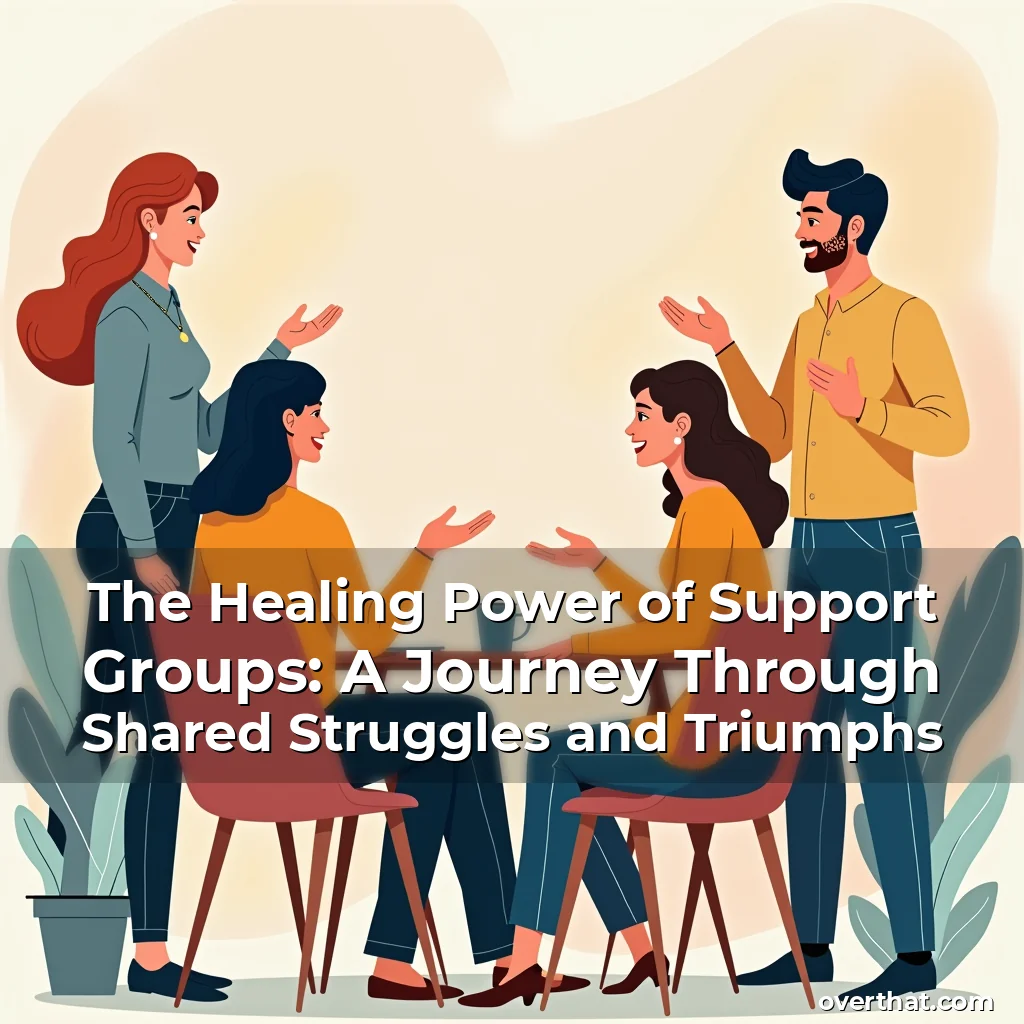
A support group is a gathering of people who share similar experiences, goals, or challenges, facilitated either by peers or professionals. Unlike traditional therapy, these groups emphasize mutual aid rather than expert guidance, creating a sense of equality among participants. Members often take turns sharing stories, offering advice, and reinforcing one another’s strength during difficult times.
The primary goal of support groups is to reduce feelings of loneliness and foster hope. By hearing others’ journeys, attendees gain new perspectives on their own situations. Research indicates that consistent participation in such groups correlates with improved coping skills, reduced stress levels, and increased self-esteem, particularly when the group aligns closely with individual needs.
- Peer-Led Groups: These rely entirely on volunteers who have lived experience, fostering deep trust and relatability. Examples include Alcoholics Anonymous and grief circles.
- Professional-Facilitated Groups: Led by therapists or counselors, these blend clinical expertise with peer interaction, ideal for trauma survivors or those dealing with severe mental health conditions.
Both models have distinct advantages. Peer-led groups excel at building long-term camaraderie, while professionally guided ones ensure safety and structure. Choosing the right format depends on factors like comfort level, privacy concerns, and the nature of the challenge being addressed.
Why Support Groups Matter for the OverThat Community
The OverThat community thrives on inclusivity and empowerment, making its members uniquely suited to benefit from support groups. Many individuals in this space face overlapping struggles, from societal pressures to self-discovery hurdles, creating natural common ground for connection. Structured support systems amplify the collective wisdom already present in the community.
Moreover, OverThat members often prioritize holistic well-being, aligning perfectly with the mind-body-spirit approach many support groups adopt. From mindfulness-based groups to fitness-focused collectives, there’s a growing trend toward integrating physical and emotional health in these spaces. This synergy enhances overall effectiveness, helping participants heal holistically.
The Role of Shared Identity in Group Dynamics
Shared identities form the bedrock of successful support groups. When members identify strongly with the group’s theme—in this case, themes related to OverThat—they’re more likely to open up authentically. Studies show that strong identification increases engagement, leading to better outcomes for participants. This phenomenon is particularly potent in niche communities like OverThat, where cultural references and values create instant rapport.
However, diversity within the group is equally vital. While shared identity fosters connection, differences in background, age, or experience enrich discussions. A mix of voices ensures that no single perspective dominates, allowing for broader problem-solving and creative approaches to challenges. Moderators play a crucial role in balancing cohesion and variety effectively.
How to Choose the Right Support Group for You
Selecting the perfect support group involves careful consideration of your personal needs, availability, and comfort zone. Begin by identifying the core issue you want to address—whether it’s anxiety, career transition, or relationship difficulties—and research groups aligned with that focus. Online directories, community centers, and OverThat forums are excellent starting points.
Consider logistical factors too: Is the group in person or virtual? What’s the time commitment? How large is the group size? Smaller circles often allow deeper conversations, while larger groups may offer greater anonymity. Virtual options are invaluable for those with mobility constraints or busy schedules, though they require discipline to stay engaged remotely.
Evaluating Group Facilitation Styles
The facilitator’s style significantly impacts group dynamics. Some leaders adopt a directive approach, guiding discussions toward predefined topics, while others facilitate free-flowing dialogue. Neither method is universally superior; it depends on your preference for structure versus spontaneity. If you thrive on routine, look for groups with agendas. If creativity resonates more, opt for open-ended meetings.
Additionally, assess whether the leader prioritizes confidentiality. In sensitive areas like substance abuse or trauma, strict adherence to discretion protocols is non-negotiable. Ask potential groups upfront about their policies regarding sharing personal information outside the circle.
Navigating Challenges in Support Groups
No support group is immune to setbacks. Common pitfalls include toxic interactions, lack of direction, or feeling overwhelmed by others’ problems. Addressing these early prevents frustration from derailing progress. Establish clear boundaries before joining—what topics are off-limits? How much do you plan to disclose?
If negative patterns emerge, don’t hesitate to speak up respectfully. Most groups welcome feedback, especially when framed constructively. For example, if someone frequently interrupts, gently suggest establishing speaking order rules. Effective communication maintains harmony while respecting everyone’s voice.
Dealing With Emotional Overload
Hearing painful stories repeatedly can trigger secondary trauma, even in supportive environments. Recognize signs of distress, such as irritability, insomnia, or withdrawal, and take proactive steps. Set limits on how much you absorb in each session, and practice grounding techniques afterward. Journaling or talking to a trusted friend helps process intense emotions safely.
Some groups incorporate “check-ins” before discussions begin, asking members to rate their current mood. This creates awareness around emotional triggers and allows adjustments in conversation flow. Remember, it’s okay to miss a meeting or sit quietly—it’s all part of self-care.
Maximizing Benefits Through Active Participation
To derive lasting value from support groups, commit fully—not just physically, but emotionally. Show up consistently, listen actively, and contribute thoughtfully. Even small acts, like acknowledging someone’s vulnerability, build trust and reinforce positive behavior. Your presence matters to fellow members, so treat every session as sacred time for connection.
Engage beyond weekly meetings by participating in optional activities, like group walks or workshops. Strengthen bonds by following up via messages or attending special events. The stronger your ties to the group, the more resilient you’ll become against setbacks or temptations to disengage.
Celebrating Progress Together
Support groups shouldn’t solely focus on pain; they should celebrate victories too. Share milestones openly—whether quitting smoking, completing therapy, or landing a dream job. Collective celebration reinforces motivation and reminds everyone that growth is possible. Leaders can implement monthly “success rounds,” giving each member a moment to reflect on achievements.
This culture of recognition combats the myth that struggle defines us. Instead, it highlights our capacity to evolve. As members witness others overcome adversity, they’re inspired to apply lessons learned to their own lives, creating a ripple effect of positivity throughout the group.
Building Long-Term Resilience Through Ongoing Engagement
Sustainable change requires continuous investment in support networks. Regular attendance builds familiarity, reducing anxiety about social interactions. However, avoid becoming overly dependent on the group for validation. Balance external affirmation with internal confidence-building practices, such as meditation or affirmations.
As relationships deepen, consider mentoring newer members or stepping into leadership roles. Teaching others solidifies your understanding and expands your influence positively. Mentorship also honors the reciprocal nature of support groups—everyone contributes in their own way, strengthening the whole.
Maintaining Boundaries Beyond the Group
While close friendships may develop within support groups, maintain healthy separations from daily life. Avoid oversharing personal details with outsiders, and protect private moments within the group itself. If conflicts arise, resolve them privately rather than airing grievances publicly. Respect others’ choices to remain anonymous if that’s their preference.
Beware of “groupthink”—the tendency to conform excessively due to pressure to belong. Stay true to yourself by periodically evaluating whether the group still meets your evolving needs. If it doesn’t, leave gracefully and seek alternative resources without guilt. Change is inevitable, and so are shifts in what we need from our communities.
The Future of Support Groups in Digital Spaces
Tech innovations continue reshaping how we connect, including support groups. Virtual platforms now enable global participation, linking individuals with rare conditions or niche interests. Features like breakout rooms, anonymous posting boards, and AI-driven matching algorithms enhance accessibility and customization. Yet digital formats demand intentional effort to combat distractions and maintain genuine connection.
Hybrid models combining online and offline meetups offer flexibility. Attendees can join virtually when unable to travel, then gather locally for deeper bonding. These adaptations ensure support remains accessible regardless of location, demographics, or circumstances. For OverThat members, this evolution opens doors to diverse perspectives and resources previously unavailable.
Ensuring Ethical Practices in Online Communities
Digital support groups must uphold ethical standards to prevent misuse of vulnerable information. Platforms should enforce strict privacy policies, requiring verified membership and limiting access to approved participants only. Moderators need training in cyberbullying prevention and conflict resolution, as anonymity can sometimes lead to harmful behaviors.
Transparency is key. Clearly outline guidelines for respectful conduct, consequences for violations, and procedures for reporting misconduct. Encourage regular check-ins to evaluate platform security and adjust protocols as needed. Prioritizing ethics protects both individuals and the integrity of the entire movement.
Conclusion
Support groups serve as powerful catalysts for healing, growth, and connection, particularly within the dynamic OverThat community. They transform isolated struggles into collective triumphs by validating experiences, offering practical tools, and nurturing unbreakable bonds. For anyone seeking transformation, these spaces represent not just a resource, but a revolution in human connection.
Take action today—explore available groups, set intentions for meaningful engagement, and remember that every participant brings unique strengths to the table. Embrace the journey of discovery, knowing that you’re never alone in your pursuit of wholeness.