The Transformative Power of Support Groups in Fostering Community and Healing
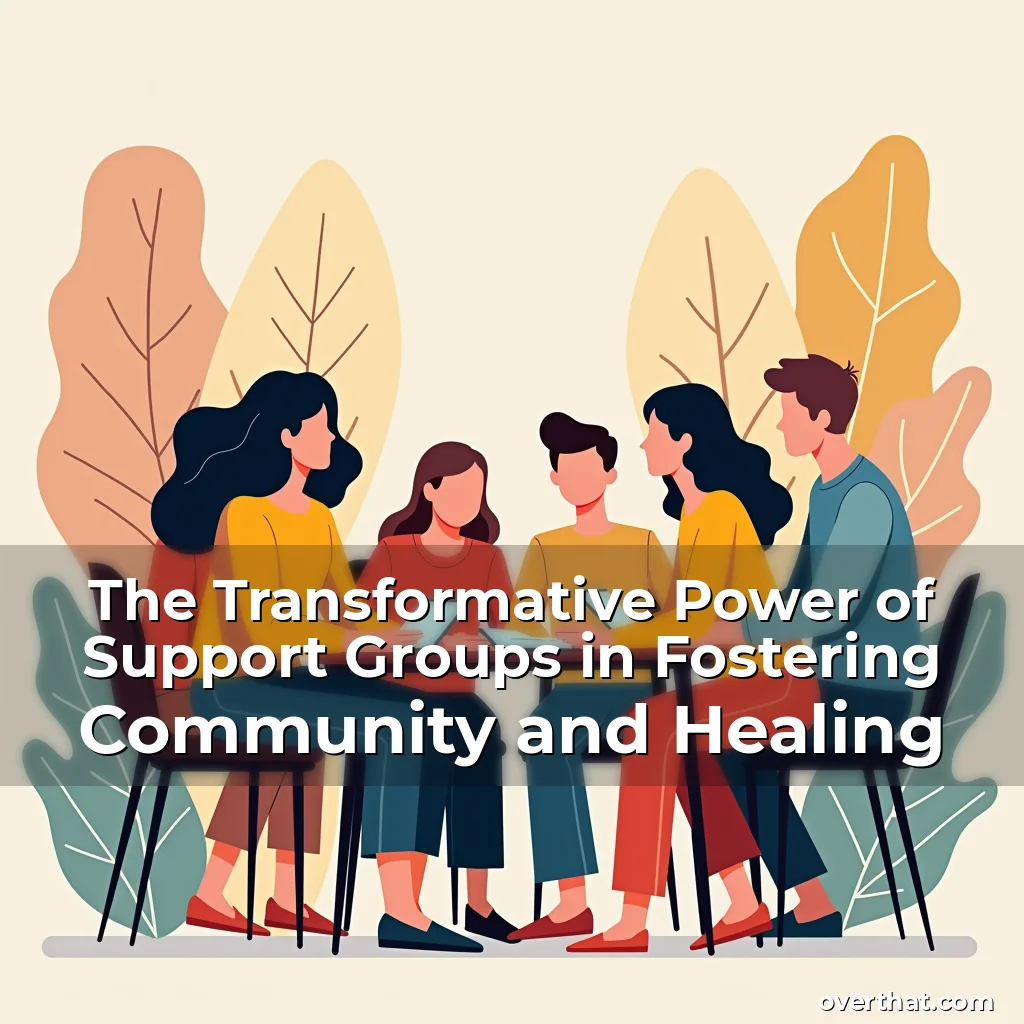
In an increasingly fragmented world, where digital interactions often replace face-to-face connections, support groups have emerged as vital lifelines for individuals seeking connection, understanding, and healing. These structured gatherings provide safe spaces where people can share experiences without fear of judgment, fostering deep emotional bonds that transcend traditional social boundaries.
For many, joining a support group is more than finding solace—it’s discovering a sense of belonging that eludes them in everyday life. Whether addressing mental health challenges, navigating grief, or managing chronic illness, these communities offer transformative potential through shared vulnerability and mutual encouragement.
Understanding What Makes a Support Group Effective
At its core, a successful support group relies on three fundamental pillars: confidentiality, active participation, and skilled facilitation. When members feel their disclosures are protected, they’re more likely to open up authentically, creating an environment conducive to genuine healing.
Active engagement from participants ensures that discussions remain productive rather than devolving into passive listening. This dynamic exchange allows individuals to gain new perspectives while contributing their own wisdom to others’ journeys.
- Confidentiality: Establishing clear guidelines about what remains within the group fosters trust essential for meaningful conversations.
- Facilitation: Trained moderators help maintain focus and ensure every voice gets heard, preventing dominant personalities from overshadowing quieter members.
Certified leaders bring expertise in guiding difficult dialogues, helping participants navigate emotions constructively instead of getting stuck in cycles of negativity or avoidance.
The Science Behind Shared Vulnerability
Neuroscience research reveals fascinating insights into how shared vulnerability strengthens neural pathways associated with empathy and resilience. When we listen intently to another person’s story, our brains mirror those experiences, building cognitive bridges between different lives.
This phenomenon creates powerful psychological benefits. Studies show regular attendance at support meetings correlates with reduced cortisol levels—the hormone linked to stress—and increased production of oxytocin, which promotes feelings of safety and connection.
Evidence-Based Outcomes
A landmark study published in the Journal of Clinical Psychology found that individuals who attended weekly support sessions showed significant improvements in mood regulation after just eight weeks. The control group receiving standard care experienced only marginal gains during the same period.
These findings suggest that structured peer interaction may be as effective as conventional therapy for certain issues, particularly when combined with professional guidance. The combination of emotional validation and practical coping strategies appears especially potent in promoting long-term recovery.
Different Types of Support Groups and Their Unique Benefits
Support groups come in various forms tailored to address diverse needs. From general well-being circles to specialized forums focusing on trauma survivors or caregivers, each type offers distinct advantages based on specific circumstances.
Mental health-focused groups provide targeted interventions for conditions ranging from depression to anxiety disorders. Chronic illness communities foster solidarity among patients facing similar medical battles, offering both practical advice and emotional reassurance.
Grief counseling circles create sacred spaces where mourners can process loss collectively, recognizing that sorrow is universal yet deeply personal. Addiction recovery programs employ evidence-based approaches like 12-step methodologies, combining accountability with spiritual principles.
Finding the Right Support Group for Your Needs
Selecting an appropriate group requires careful consideration of several factors. Location plays a crucial role—whether you prefer in-person meetings or virtual options depends largely on your lifestyle and comfort level with technology.
Group size matters significantly; smaller circles allow deeper connections but might limit diversity of perspective, whereas larger assemblies offer broader viewpoints though potentially less intimacy. Assessing your personality preferences will guide this decision effectively.
Consider also whether you need clinical oversight versus purely peer-led environments. Some organizations pair lay facilitators with licensed professionals to ensure quality without compromising authenticity.
Bridging Gaps Through Inclusive Practices
Create welcoming atmospheres by implementing inclusive policies that respect cultural differences and accommodate varying communication styles. Providing translation services or culturally sensitive materials helps make everyone feel valued regardless of background.
Flexibility regarding expression methods is equally important—some members may prefer written reflections over verbal sharing, so allowing alternative participation formats broadens accessibility without diminishing effectiveness.
Training facilitators in implicit bias awareness reduces unintentional discrimination, ensuring all voices contribute meaningfully to discussions. Regularly reviewing group dynamics helps identify any emerging barriers to full inclusion.
Navigating Challenges Within Support Groups
While most groups function smoothly, occasional difficulties arise that require thoughtful resolution. Conflicts inevitably surface when differing opinions clash, necessitating conflict de-escalation techniques taught to moderators before such situations occur.
Some members might dominate conversations due to strong personalities, disrupting balanced dialogue. Implementing time limits or rotating speaking turns maintains equity among participants.
Addressing inappropriate behavior promptly prevents toxic patterns from developing. Clear consequences outlined in group agreements serve as deterrents against harmful conduct while preserving supportive atmosphere.
Building Sustainable Connections Beyond Meetings
Encouraging ongoing relationships outside formal sessions enhances long-term benefits. Creating online forums or buddy systems facilitates continued support beyond scheduled gatherings.
Social events planned separately from therapeutic discussions build camaraderie without pressuring anyone to disclose information prematurely. These activities strengthen bonds formed during meetings.
Regular check-ins between sessions help track progress and adjust strategies as needed. Maintaining contact through email lists or messaging apps keeps the community alive even when physical meetings aren’t possible.
The Future of Support Groups in Digital Spaces
Virtual platforms now enable global connectivity previously unimaginable. Online communities span continents, connecting individuals who would never meet otherwise. Video conferencing tools facilitate real-time interaction despite geographical distances.
However, digital formats present unique challenges requiring adaptation. Ensuring privacy in cyberspace demands rigorous security measures including encrypted communications and strict access controls. Moderators must be trained specifically for online environments.
New technologies like AI-driven chatbots could augment human facilitators by providing instant resources or reminders. But maintaining authentic human connection remains paramount—even with technological enhancements, nothing replaces genuine empathy.
Conclusion
Support groups represent more than temporary relief—they embody enduring networks of compassion capable of reshaping lives profoundly. By embracing vulnerability within these communities, individuals find strength they didn’t know existed within themselves.
To anyone considering joining a support group, remember: your presence brings value to others just as much as they bring value to you. Take that first step toward connection knowing that together, you’ll forge paths toward healing and transformation.
“`html
“`html
The Transformative Power of Support Groups in Fostering Community and Healing
In an increasingly fragmented world, where digital interactions often replace face-to-face connections, support groups have emerged as vital lifelines for individuals seeking connection, understanding, and healing. These structured gatherings provide safe spaces where people can share experiences without fear of judgment, fostering deep emotional bonds that transcend traditional social boundaries.
For many, joining a support group is more than finding solace—it’s discovering a sense of belonging that eludes them in everyday life. Whether addressing mental health challenges, navigating grief, or managing chronic illness, these communities offer transformative potential through shared vulnerability and mutual encouragement.
Understanding What Makes a Support Group Effective
At its core, a successful support group relies on three fundamental pillars: confidentiality, active participation, and skilled facilitation. When members feel their disclosures are protected, they’re more likely to open up authentically, creating an environment conducive to genuine healing.
Active engagement from participants ensures that discussions remain productive rather than devolving into passive listening. This dynamic exchange allows individuals to gain new perspectives while contributing their own wisdom to others’ journeys.
- Confidentiality: Establishing clear guidelines about what remains within the group fosters trust essential for meaningful conversations.
- Facilitation: Trained moderators help maintain focus and ensure every voice gets heard, preventing dominant personalities from overshadowing quieter members.
Certified leaders bring expertise in guiding difficult dialogues, helping participants navigate emotions constructively instead of getting stuck in cycles of negativity or avoidance.
The Science Behind Shared Vulnerability
Neuroscience research reveals fascinating insights into how shared vulnerability strengthens neural pathways associated with empathy and resilience. When we listen intently to another person’s story, our brains mirror those experiences, building cognitive bridges between different lives.
This phenomenon creates powerful psychological benefits. Studies show regular attendance at support meetings correlates with reduced cortisol levels—the hormone linked to stress—and increased production of oxytocin, which promotes feelings of safety and connection.
Evidence-Based Outcomes
A landmark study published in the Journal of Clinical Psychology found that individuals who attended weekly support sessions showed significant improvements in mood regulation after just eight weeks. The control group receiving standard care experienced only marginal gains during the same period.
These findings suggest that structured peer interaction may be as effective as conventional therapy for certain issues, particularly when combined with professional guidance. The combination of emotional validation and practical coping strategies appears especially potent in promoting long-term recovery.
Different Types of Support Groups and Their Unique Benefits
Support groups come in various forms tailored to address diverse needs. From general well-being circles to specialized forums focusing on trauma survivors or caregivers, each type offers distinct advantages based on specific circumstances.
Mental health-focused groups provide targeted interventions for conditions ranging from depression to anxiety disorders. Chronic illness communities foster solidarity among patients facing similar medical battles, offering both practical advice and emotional reassurance.
Grief counseling circles create sacred spaces where mourners can process loss collectively, recognizing that sorrow is universal yet deeply personal. Addiction recovery programs employ evidence-based approaches like 12-step methodologies, combining accountability with spiritual principles.
Finding the Right Support Group for Your Needs
Selecting an appropriate group requires careful consideration of several factors. Location plays a crucial role—whether you prefer in-person meetings or virtual options depends largely on your lifestyle and comfort level with technology.
Group size matters significantly; smaller circles allow deeper connections but might limit diversity of perspective, whereas larger assemblies offer broader viewpoints though potentially less intimacy. Assessing your personality preferences will guide this decision effectively.
Consider also whether you need clinical oversight versus purely peer-led environments. Some organizations pair lay facilitators with licensed professionals to ensure quality without compromising authenticity.
Bridging Gaps Through Inclusive Practices
Create welcoming atmospheres by implementing inclusive policies that respect cultural differences and accommodate varying communication styles. Providing translation services or culturally sensitive materials helps make everyone feel valued regardless of background.
Flexibility regarding expression methods is equally important—some members may prefer written reflections over verbal sharing, so allowing alternative participation formats broadens accessibility without diminishing effectiveness.
Training facilitators in implicit bias awareness reduces unintentional discrimination, ensuring all voices contribute meaningfully to discussions. Regularly reviewing group dynamics helps identify any emerging barriers to full inclusion.
Navigating Challenges Within Support Groups
While most groups function smoothly, occasional difficulties arise that require thoughtful resolution. Conflicts inevitably surface when differing opinions clash, necessitating conflict de-escalation techniques taught to moderators before such situations occur.
Some members might dominate conversations due to strong personalities, disrupting balanced dialogue. Implementing time limits or rotating speaking turns maintains equity among participants.
Addressing inappropriate behavior promptly prevents toxic patterns from developing. Clear consequences outlined in group agreements serve as deterrents against harmful conduct while preserving supportive atmosphere.
Building Sustainable Connections Beyond Meetings
Encouraging ongoing relationships outside formal sessions enhances long-term benefits. Creating online forums or buddy systems facilitates continued support beyond scheduled gatherings.
Social events planned separately from therapeutic discussions build camaraderie without pressuring anyone to disclose information prematurely. These activities strengthen bonds formed during meetings.
Regular check-ins between sessions help track progress and adjust strategies as needed. Maintaining contact through email lists or messaging apps keeps the community alive even when physical meetings aren’t possible.
The Future of Support Groups in Digital Spaces
Virtually platforms now enable global connectivity previously unimaginable. Online communities span continents, connecting individuals who would never meet otherwise. Video conferencing tools facilitate real-time interaction despite geographical distances.
However, digital formats present unique challenges requiring adaptation. Ensuring privacy in cyberspace demands rigorous security measures including encrypted communications and strict access controls. Moderators must be trained specifically for online environments.
New technologies like AI-driven chatbots could augment human facilitators by providing instant resources or reminders. But maintaining authentic human connection remains paramount—even with technological enhancements, nothing replaces genuine empathy.
Conclusion
Support groups represent more than temporary relief—they embody enduring networks of compassion capable of reshaping lives profoundly. By embracing vulnerability within these communities, individuals find strength they didn’t know existed within themselves.
To anyone considering joining a support group, remember: your presence brings value to others just as much as they bring value to you. Take that first step toward connection knowing that together, you’ll forge paths toward healing and transformation.
“`